In today's construction and infrastructure industries, environmental concerns play an important role in material selection. At LESSO Malaysia, we often encounter questions and discussions about the environmental impact of PVC piping. There are several common misconceptions about PVC, so we want to take a moment to clarify the facts and share insights into its recyclability and long-term benefits.
One of the most frequent misunderstandings about PVC piping is that it is harmful to the environment throughout its lifecycle. Some believe PVC production and disposal cause significant pollution or that the material itself is difficult to recycle.
While it's true that PVC is a synthetic plastic and requires energy for production, many modern manufacturing processes are focused on reducing environmental impact. LESSO Malaysia ensures our PVC piping is produced following strict quality and environmental standards that aim to minimize emissions and waste.
A key factor often overlooked is that PVC piping is recyclable. Unlike some materials that end up in landfills after use, PVC can be collected and processed to create new products. This recycling ability helps reduce the demand for virgin raw materials and lowers the overall environmental footprint.
At LESSO Malaysia, we support initiatives promoting PVC recycling and encourage customers and contractors to consider this aspect when disposing of or upgrading piping systems. Recycling PVC reduces waste and helps maintain resources for future use.
Another important environmental benefit of PVC piping is its long service life. A well-installed PVC piping system can last for 50 years or more without needing replacement. This durability means fewer pipes are discarded or replaced over time, significantly reducing material waste compared to other piping options that may corrode, crack, or degrade more quickly.
By choosing PVC piping from LESSO Malaysia, project planners can contribute to a more sustainable construction process through less frequent replacements and repairs. This approach supports the efficient use of materials and lowers environmental strain.
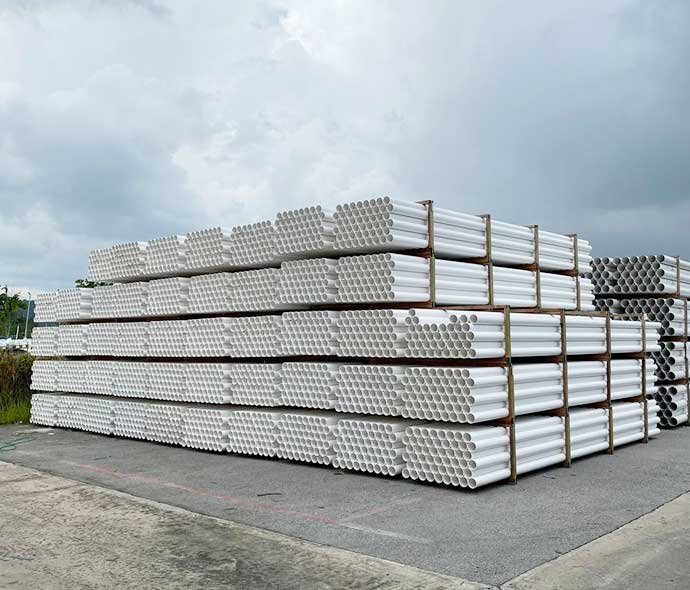
Manufacturing PVC piping generally requires less energy than producing metal pipes such as steel or copper. This difference contributes to a smaller carbon footprint during the production phase. Additionally, the lightweight nature of PVC means transportation requires less fuel, which further reduces environmental impact.
LESSO Malaysia works with suppliers and partners to continuously improve production methods, aiming to make PVC piping an environmentally responsible choice in the construction sector.
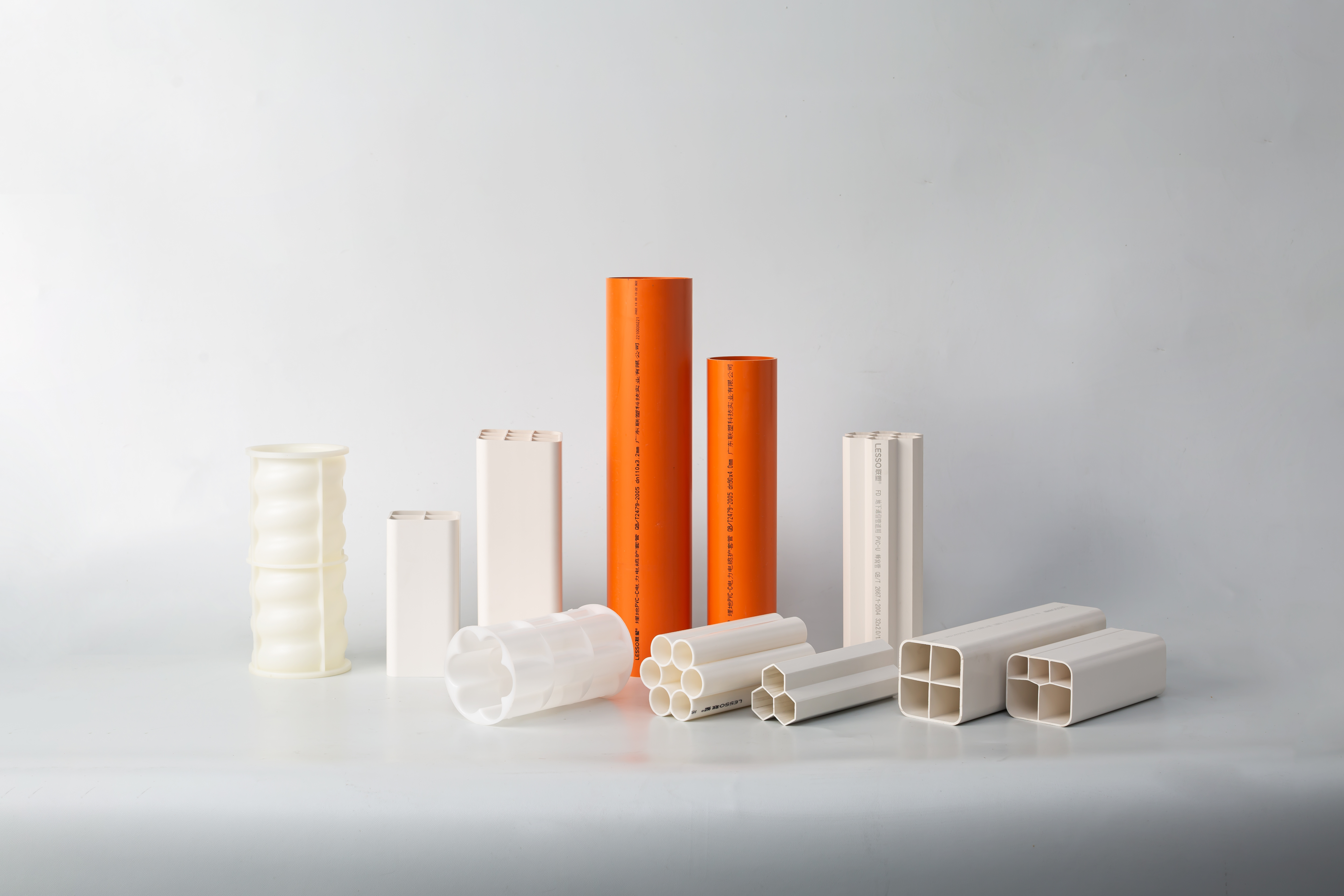
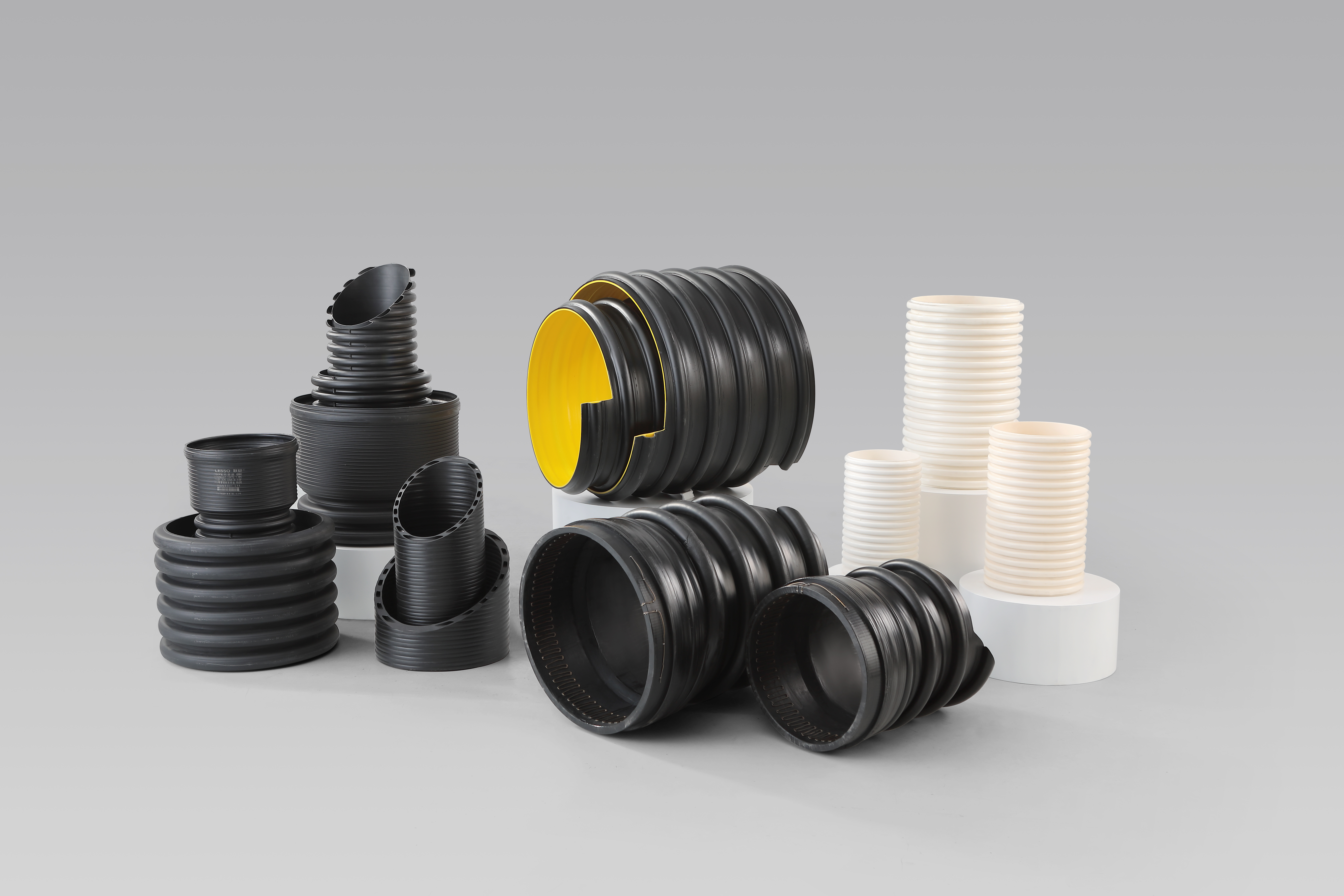
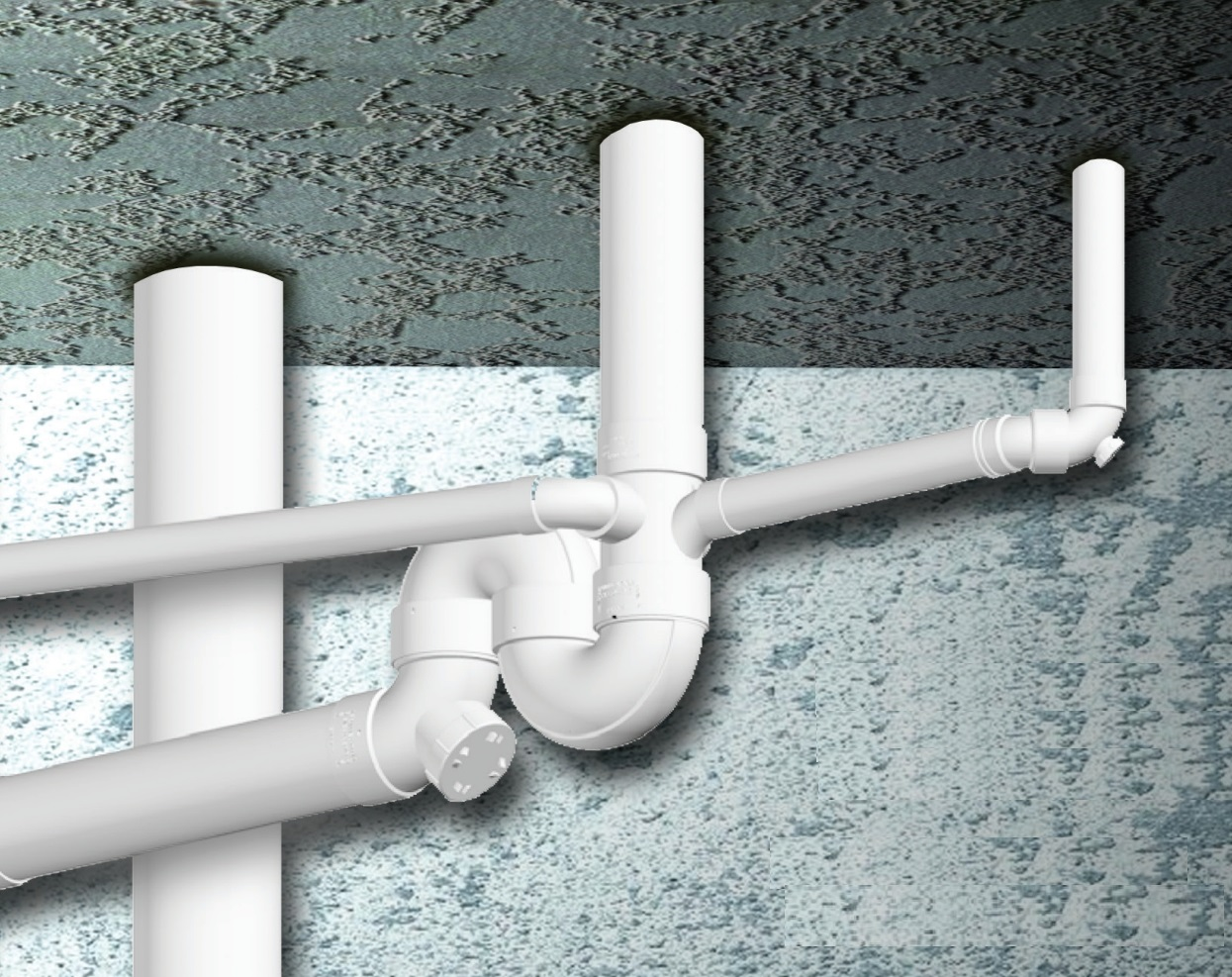
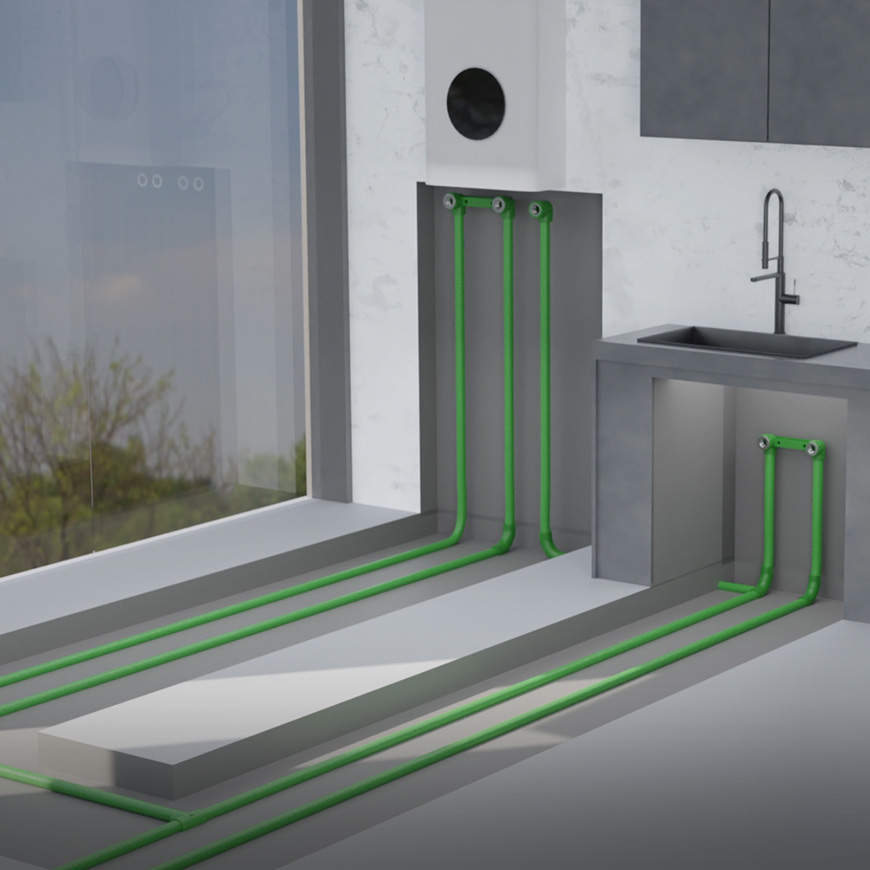
PVC piping is commonly used in water supply, sewage, drainage, and electrical conduit systems. Its resistance to corrosion and chemicals means it maintains performance without leaching harmful substances into water or soil. This reliability makes PVC a safe option for infrastructure projects that prioritize environmental safety.
We take pride in ensuring our PVC piping products meet rigorous safety standards, providing peace of mind alongside environmental responsibility.
While some concerns about PVC piping and the environment exist, many common myths do not reflect the full picture. At LESSO Malaysia, we want to emphasize that PVC piping is recyclable, durable, and produced with growing attention to environmental impact.
By choosing PVC piping, construction and infrastructure projects can benefit from long-term material efficiency and reduced waste. We encourage industry professionals and consumers alike to consider these factors when selecting materials, knowing that PVC piping remains a practical and environmentally conscious option.
Copyright © 2026 Lesso Malaysia Industries Sdn Bhd ICP No.13023480