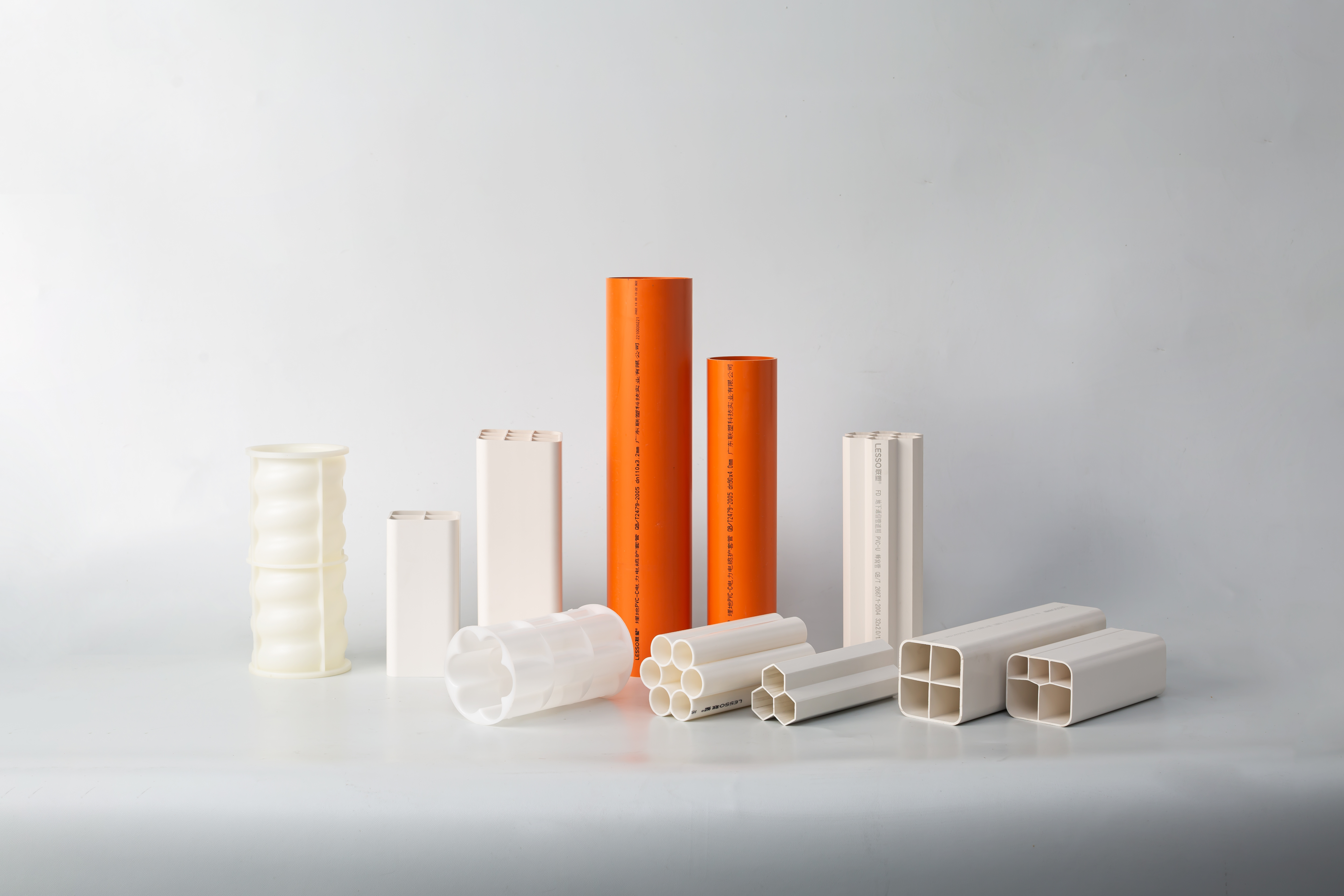
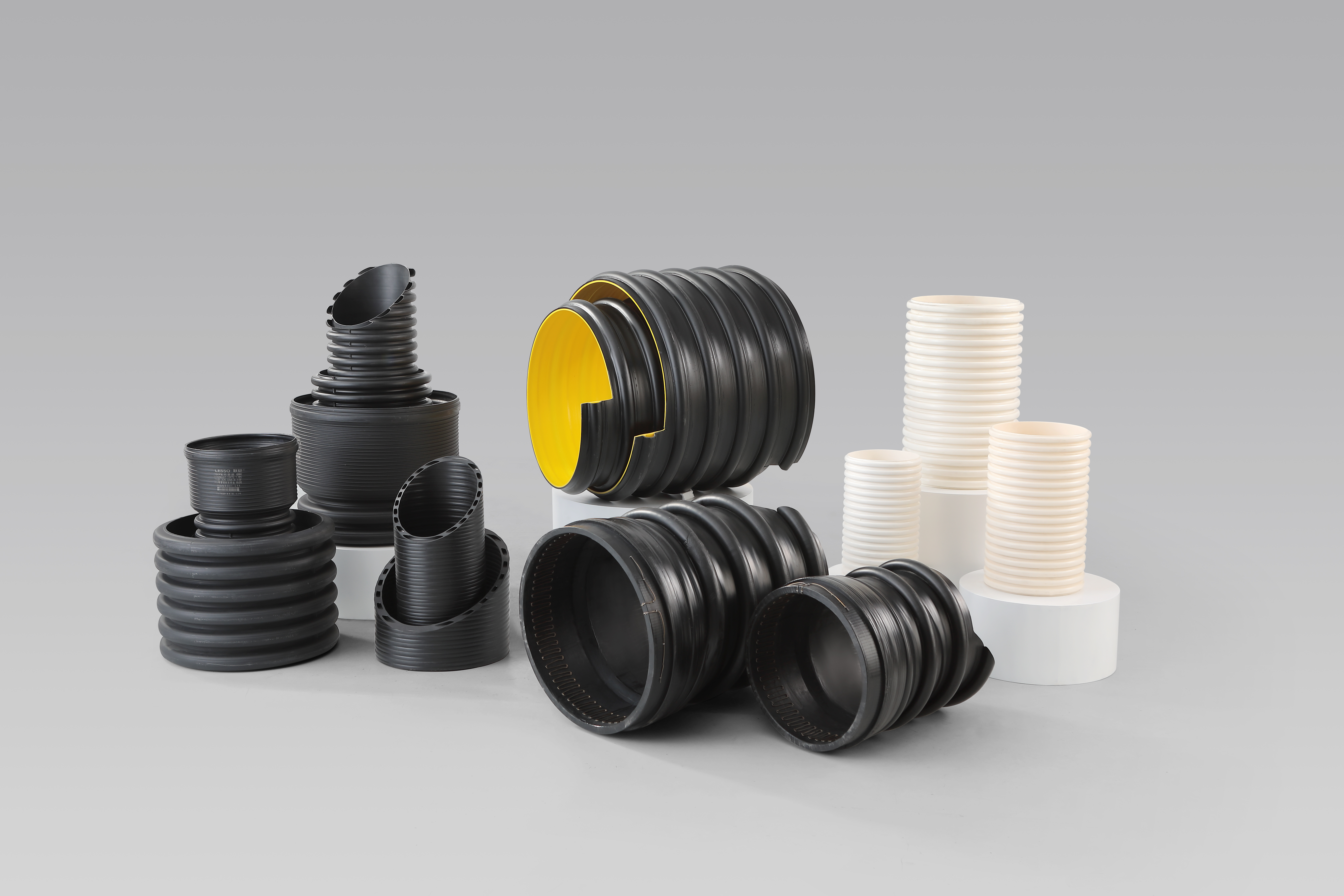
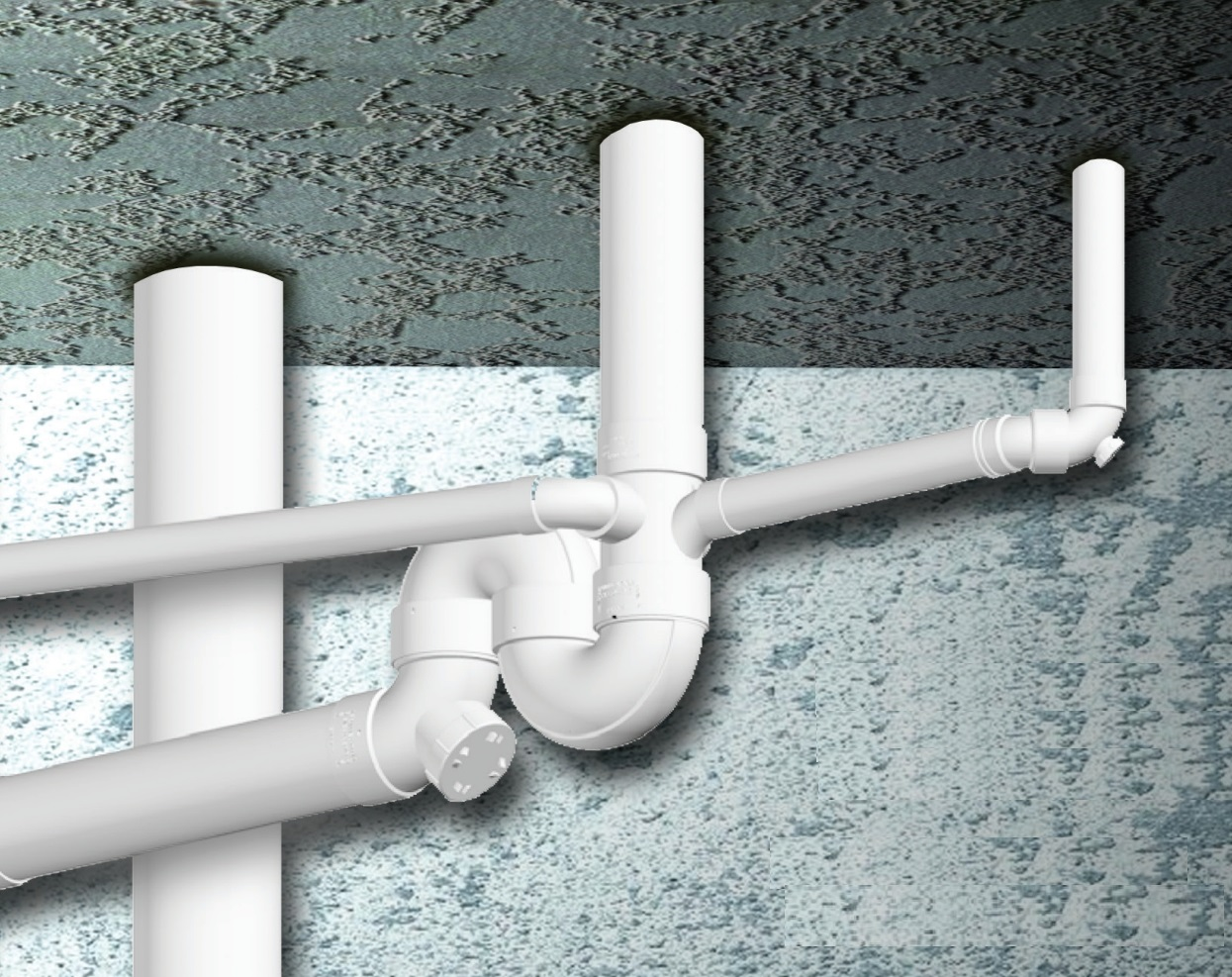
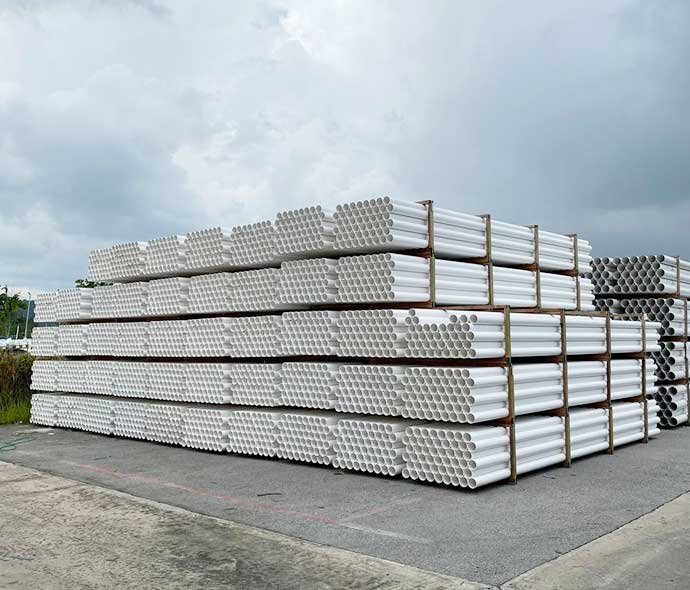
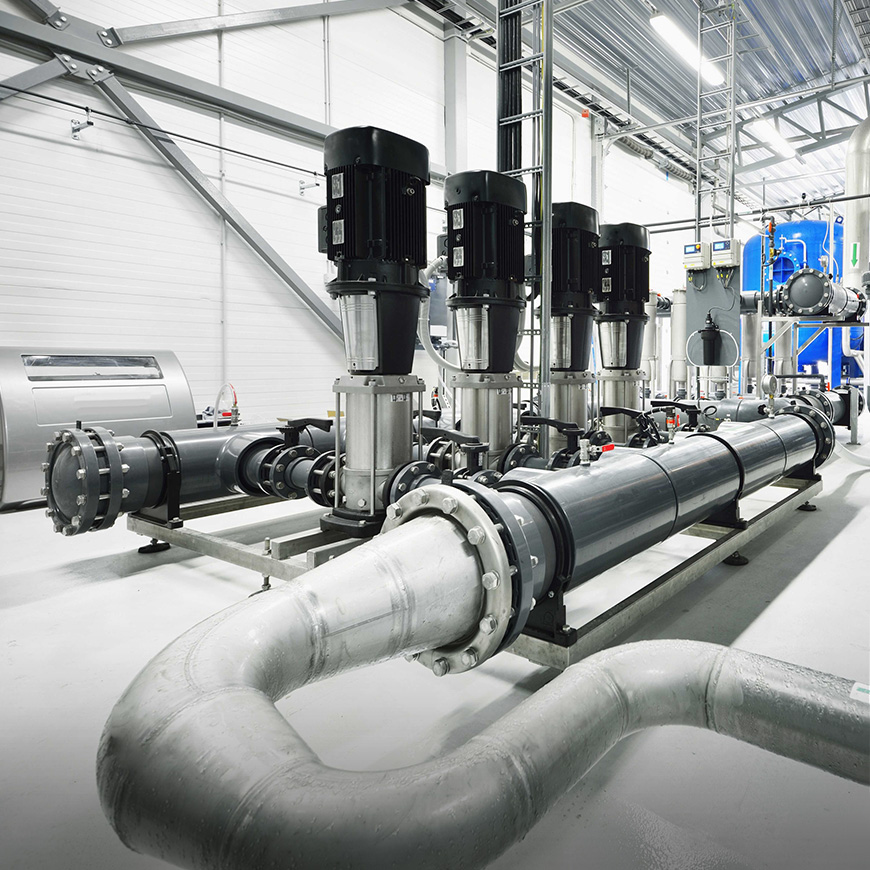
In Malaysia's construction and plumbing industry, reliable plastic pipes are essential for durable and efficient systems. At LESSO Malaysia, we understand the needs of residential, commercial, and industrial projects. As one of the most experienced plastic pipe manufacturers, we focus on producing high-quality PVC and CPVC pipes that are strong, durable, and easy to install. Our pipes are designed to withstand Malaysia's climate while providing long-lasting performance.
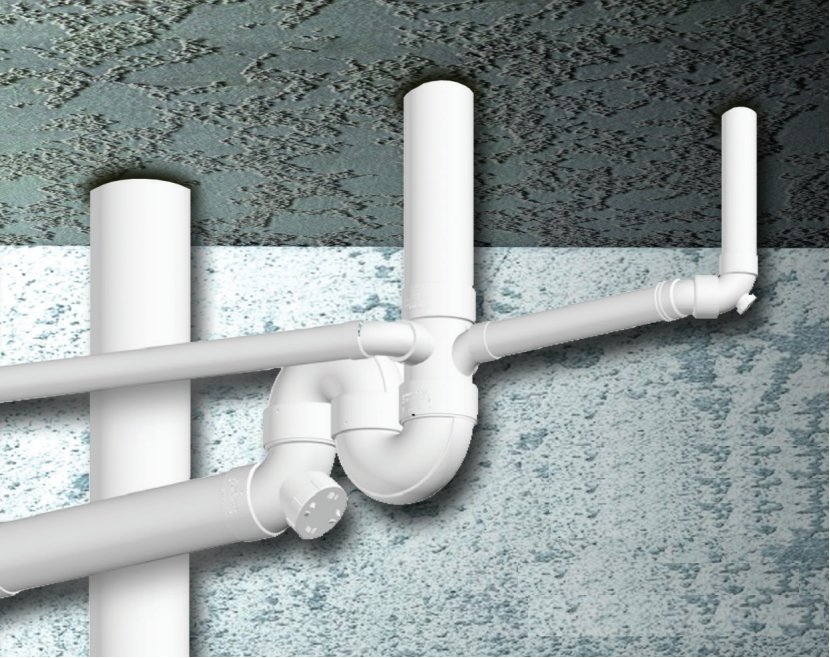
Not all plastic pipes are suitable for threading. Rigid PVC or CPVC pipes with thicker walls are the best choice. Thin-walled pipes, such as Schedule 40 PVC, are designed for glued fittings and may crack if threaded. At LESSO Malaysia, we ensure that pipes intended for threading meet the proper wall thickness and dimensional tolerances for safe and durable connections.
Start by cutting the pipe end squarely using a fine-toothed saw or plastic pipe cutter. After cutting, remove any burrs and slightly chamfer the end to make threading easier. Inserting a tapered plug inside the pipe can help maintain its shape during threading.
Next, secure the pipe gently in a vise with a protective wrap around the clamping area to avoid surface damage or cracking. Do not overtighten, as plastic can split under too much pressure.
Use a manual pipe die or threading tool that is clean and sharp. Place the die on the pipe end and turn it clockwise by hand until the threads begin to form evenly. Continue turning until the desired thread length is achieved. Remove the die carefully by reversing it.
Avoid using standard lubricants, which can damage PVC or CPVC. If needed, use only a water-soluble lubricant compatible with plastic. After threading, clean off any shavings and prepare the joint for sealing. Apply PTFE tape or a compatible thread sealant on male threads. Wrap the tape in the direction of the threads and hand-tighten the fitting, then finish with one or two additional turns to secure it. Over-tightening can damage the threads or fitting.
For thin-walled pipes, threading is not advisable. Glued or solvent-cement fittings provide a safer and more reliable connection. At LESSO Malaysia, we supply both thick-walled pipes suitable for threading and standard pipes designed for glued joints, giving our customers options based on project needs.
For contractors and businesses in Malaysia, selecting a reliable plastic pipe manufacturer like LESSO Malaysia ensures the materials are suitable for every application. Following proper procedures for threading, including choosing the right pipe, careful cutting, gentle clamping, and correct sealing, results in strong and durable connections. As a trusted pipes supplier, we provide high-quality piping systems and practical guidance to support successful plumbing and construction projects.
Copyright © 2026 Lesso Malaysia Industries Sdn Bhd ICP No.13023480