At LESSO Malaysia, we understand that a well-designed building piping system is essential for the long-term functionality and efficiency of any structure. Proper planning and implementation are key to ensuring that the piping system meets the needs of the building and its occupants. In this article, we will discuss the critical considerations involved in designing a reliable piping system, including layout, materials, codes, and maintenance.
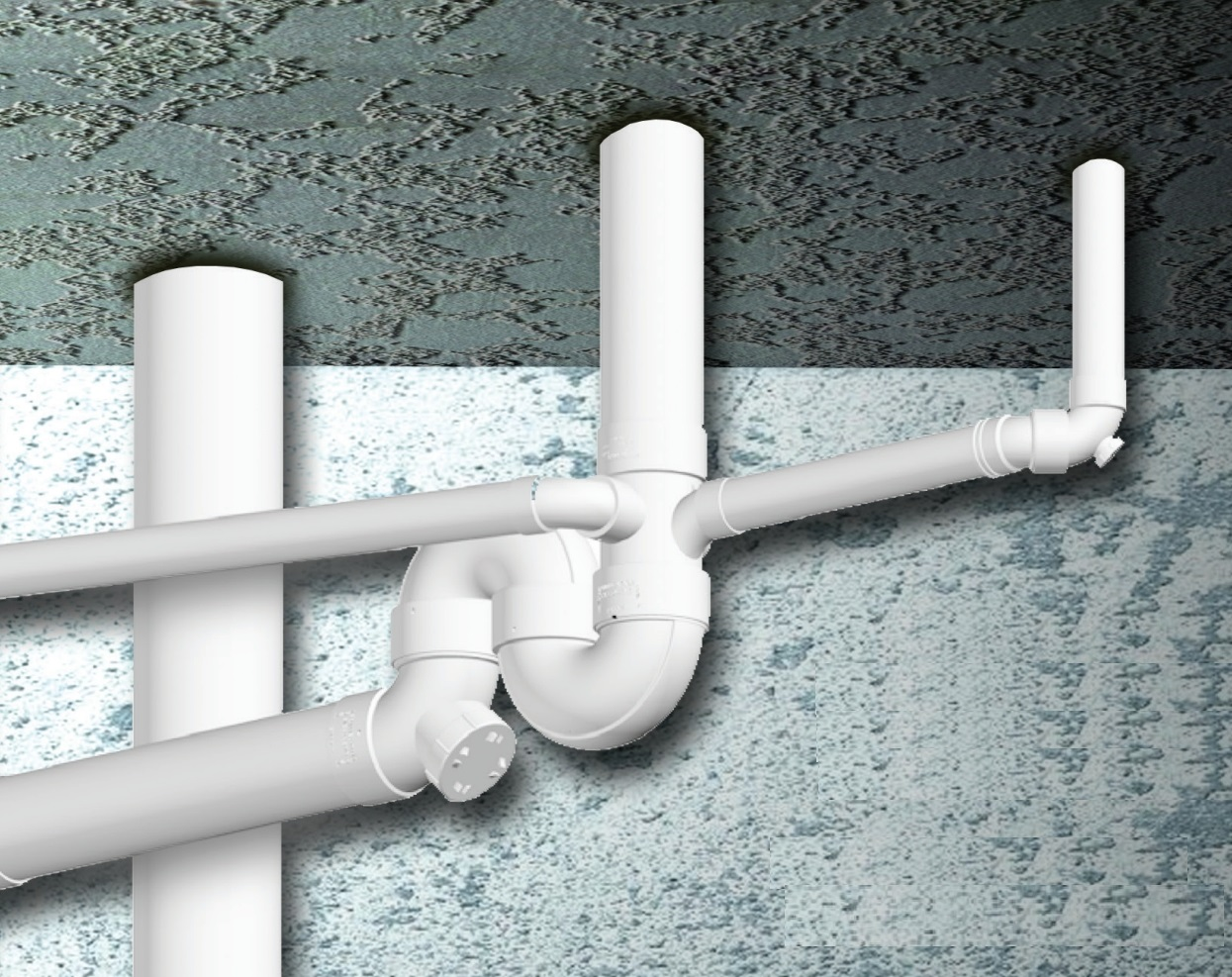
The first step in creating an effective building piping system is to carefully plan the layout. A clear and efficient design can minimize installation costs and reduce the risk of future issues. When designing the layout, it is essential to consider the building's purpose and the specific requirements for water supply, drainage, and HVAC systems.
We recommend mapping out the entire piping network, ensuring that it provides adequate flow rates and pressure throughout the building. This planning phase should also take into account future expansions or modifications, allowing for flexibility in the system.
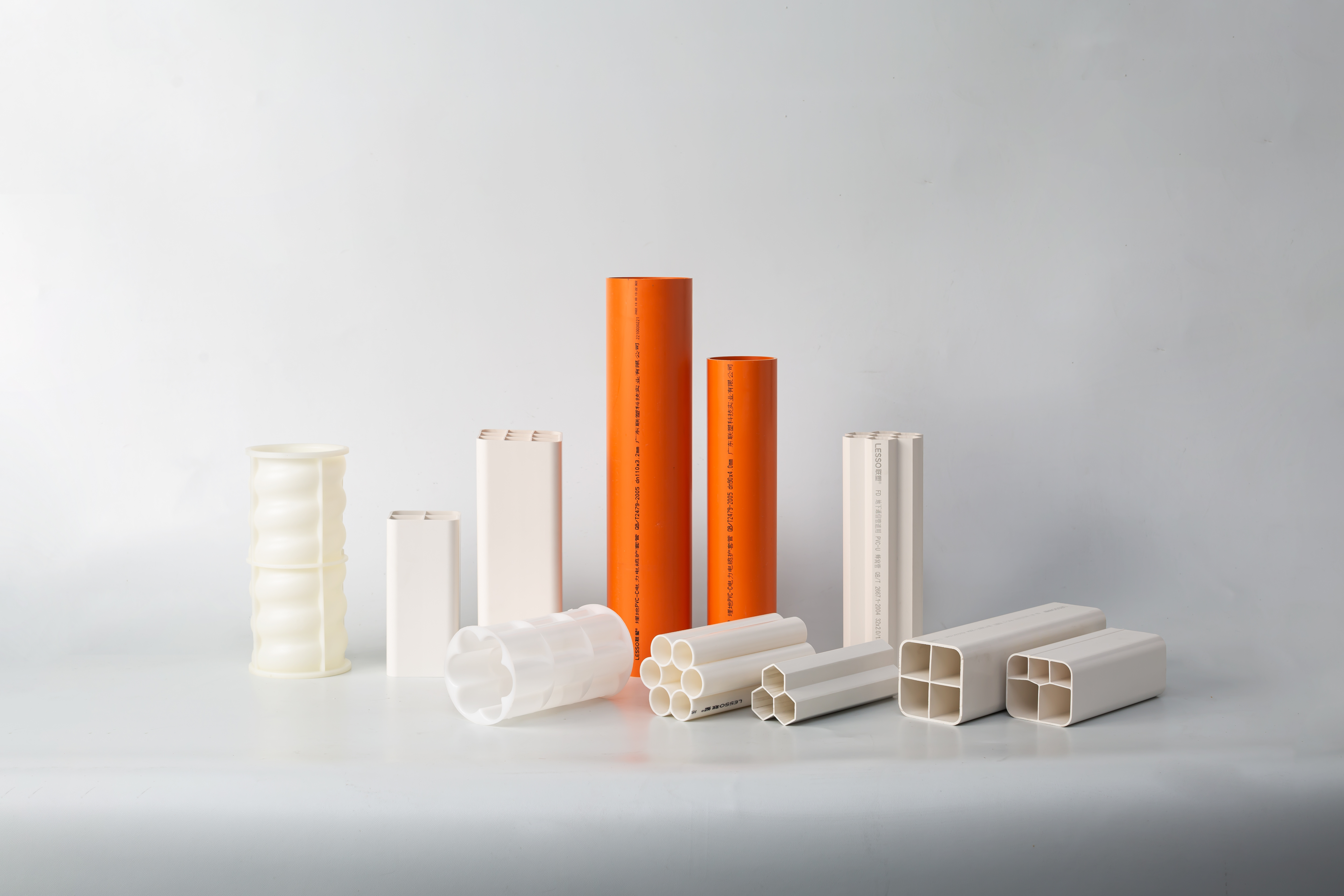
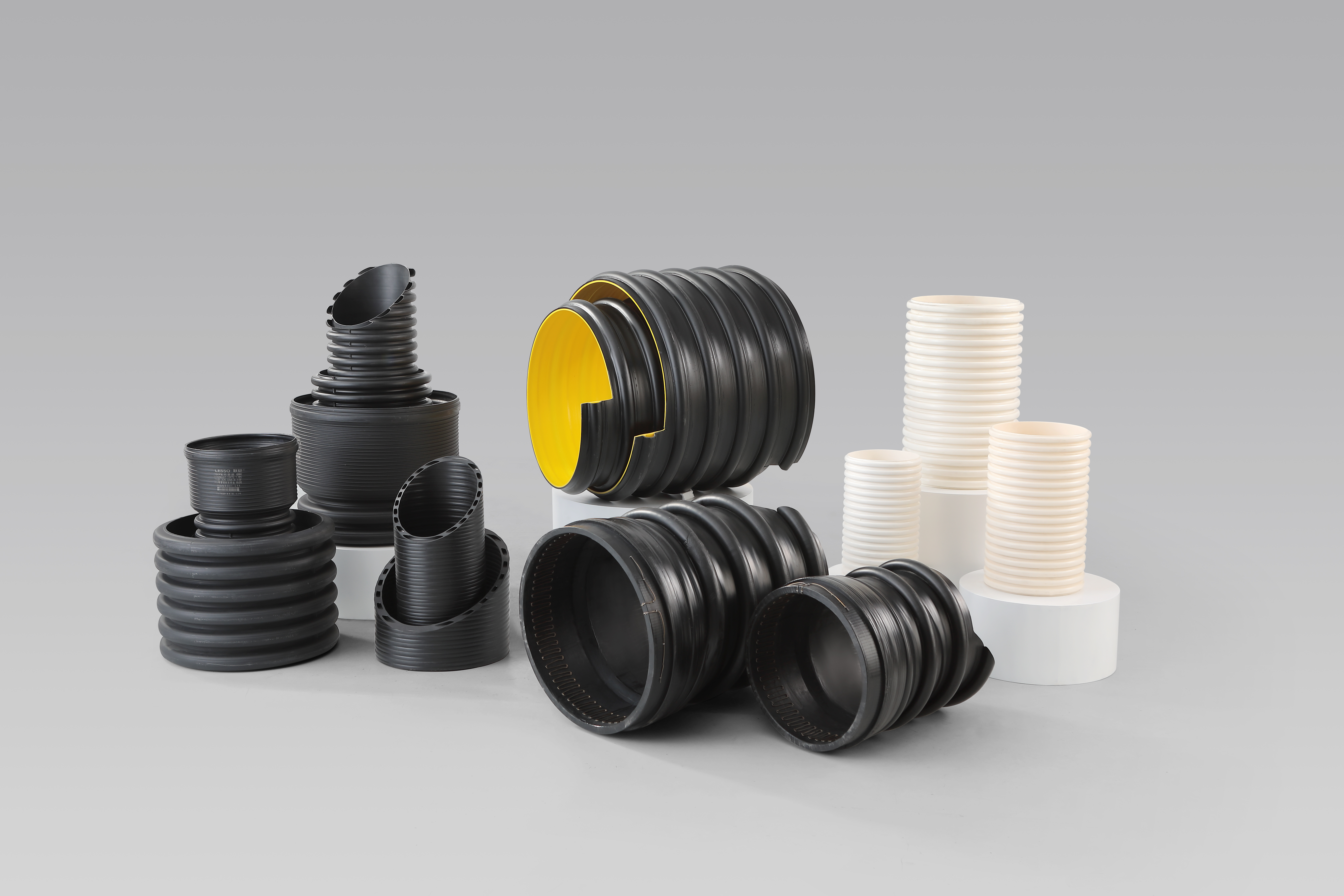
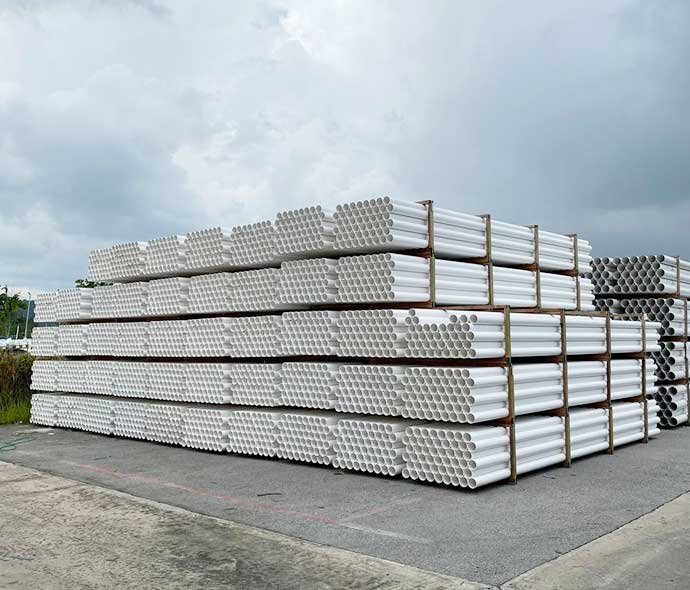
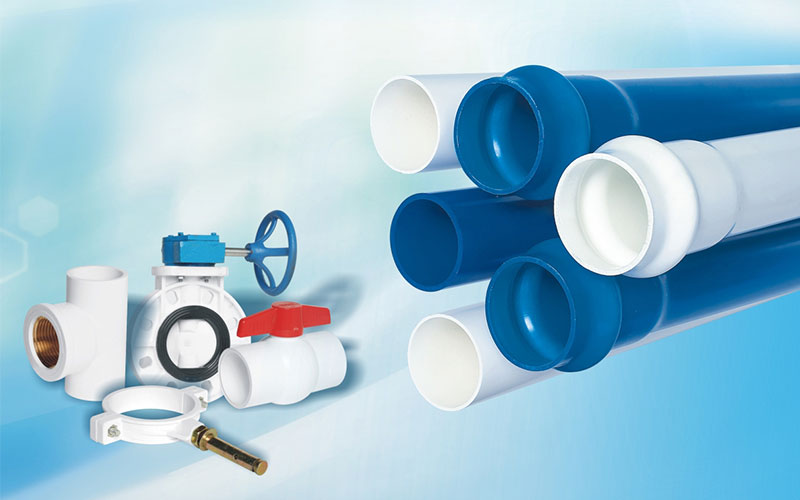
Selecting suitable materials for the piping system is crucial for its durability and performance. Different materials have distinct properties that make them suitable for specific applications. For instance, PVC pipes are known for their corrosion resistance and longevity, making them an excellent choice for water supply and drainage systems.
At LESSO Malaysia, we provide a range of high-quality piping materials designed to meet various needs. Our PVC solutions are lightweight, easy to install, and can withstand harsh environmental conditions. Choosing the right materials not only enhances the system's reliability but also contributes to reducing maintenance costs over time.
Compliance with local building codes and regulations is a critical aspect of designing a piping system. These codes are in place to ensure safety, efficiency, and environmental protection. When planning your piping system, it is essential to familiarize yourself with the relevant codes that apply to your project.
Working with experienced professionals can help ensure that your design meets all necessary regulations. At LESSO Malaysia, we stay updated on industry standards and can provide guidance on compliance, helping you navigate the complexities of building codes.
Incorporating energy-efficient systems into your building piping design can significantly reduce operating costs and promote sustainability. For example, using insulated pipes can help minimize heat loss in hot water systems, while efficient drainage systems can reduce water waste.
We encourage our clients to explore innovative solutions that enhance efficiency. Our products are designed with sustainability in mind, contributing to a more environmentally friendly building.
A reliable piping system requires ongoing maintenance to ensure optimal performance throughout its lifespan. Regular inspections can help identify potential issues before they escalate into costly repairs. We recommend developing a maintenance schedule that includes routine checks for leaks, corrosion, and blockages.
At LESSO Malaysia, we believe in the importance of proactive maintenance. Our team is available to assist you with advice on best practices and maintenance schedules tailored to your specific piping system.
Designing a reliable building piping system is a multifaceted process that requires careful planning and consideration. By focusing on layout, material selection, code compliance, efficiency, and maintenance, you can create a system that supports the long-term performance of your building. At LESSO Malaysia, we are committed to providing high-quality piping solutions that meet your needs while ensuring sustainability. We invite you to explore our range of products and let us support you in creating a robust and efficient piping system for your next project.
Copyright © 2026 Lesso Malaysia Industries Sdn Bhd ICP No.13023480