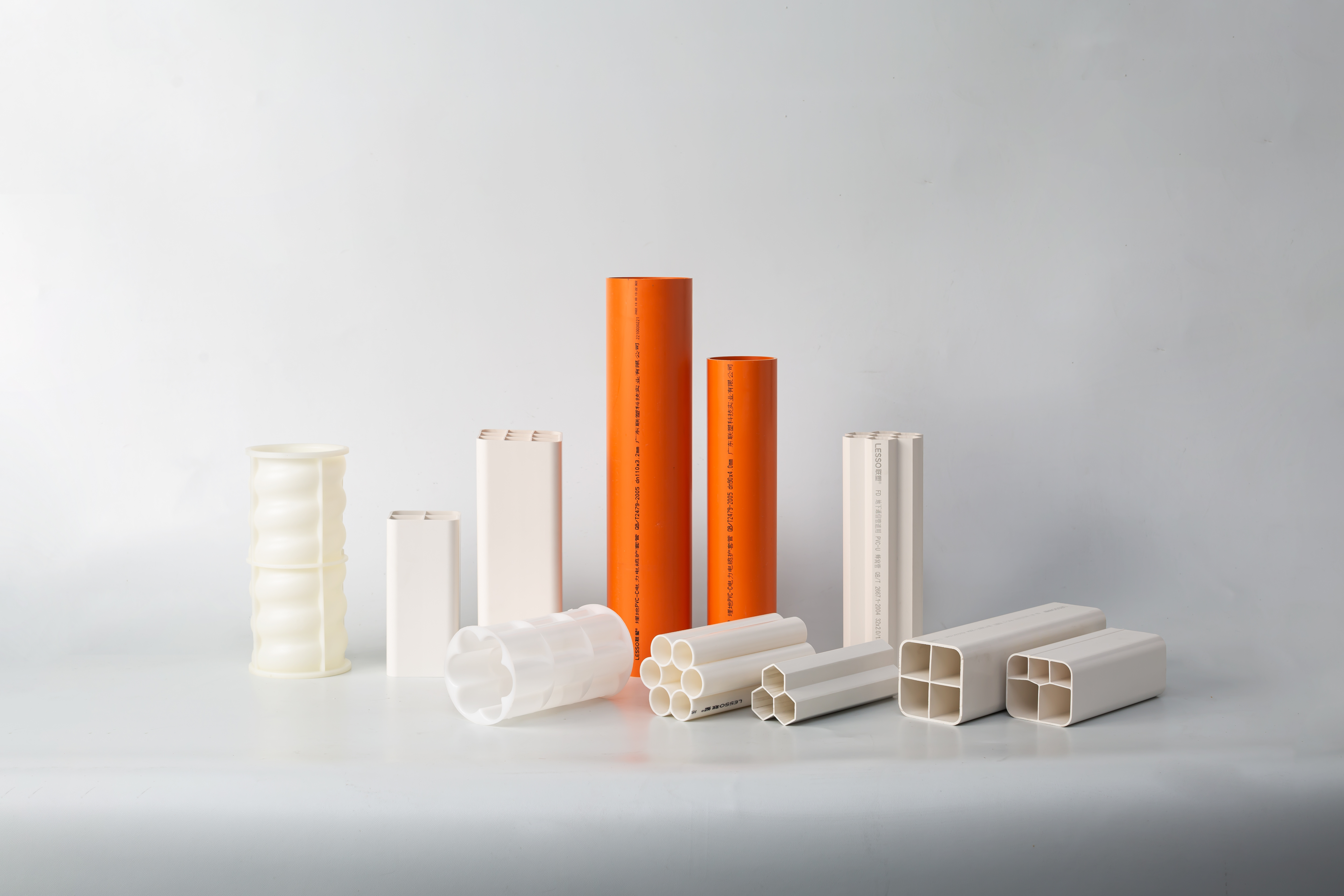
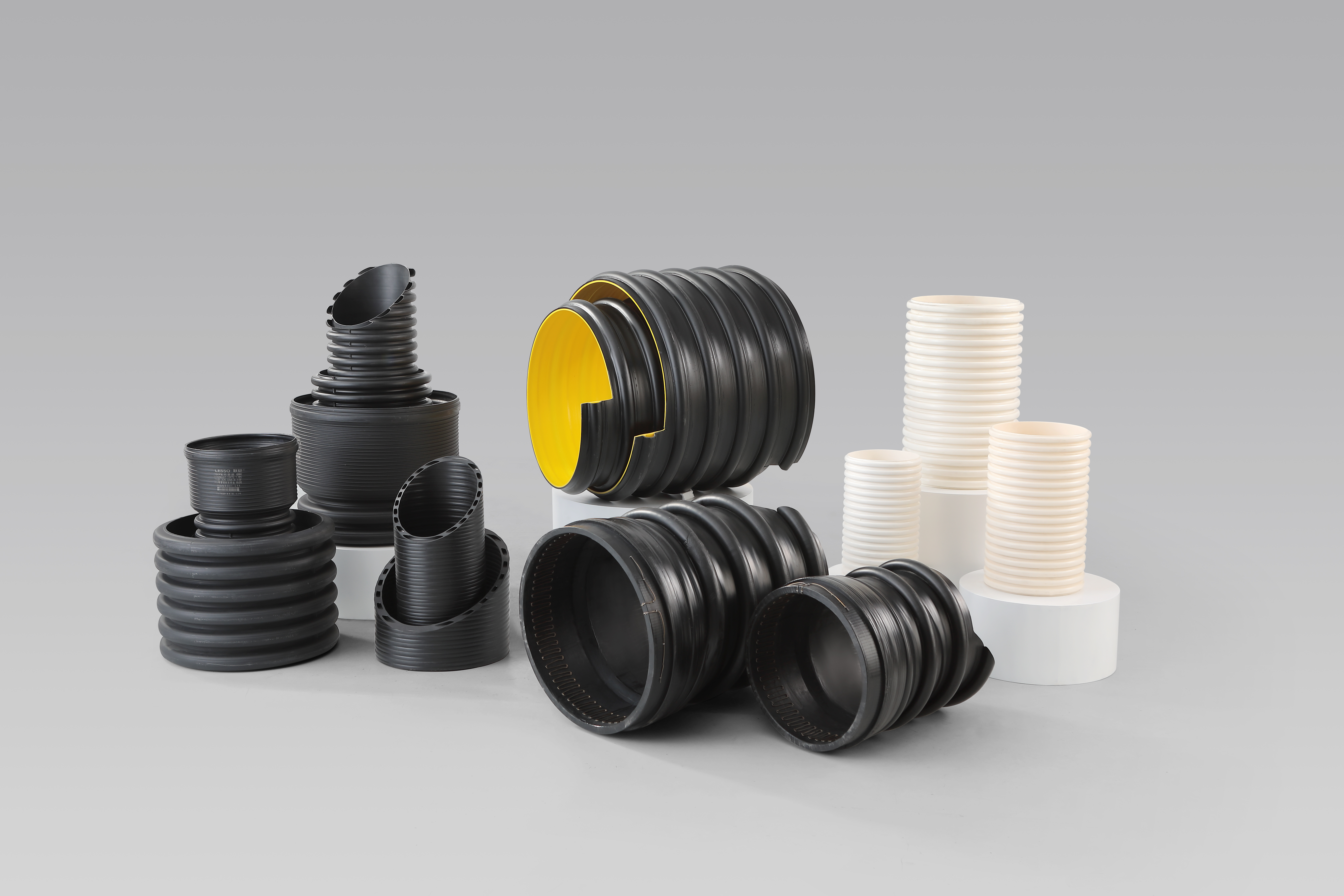
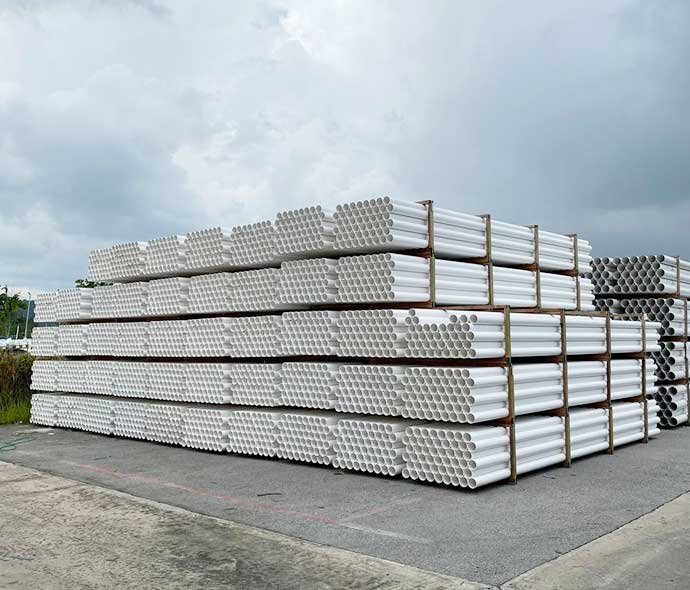
When embarking on a construction or renovation project, one of the key decisions we face is selecting the appropriate piping material. In this article, we will compare PVC piping and metal pipes, focusing on performance, maintenance, cost, and various application scenarios. With the assistance of LESSO Malaysia, we aim to present a fair assessment to help guide our decision-making process.
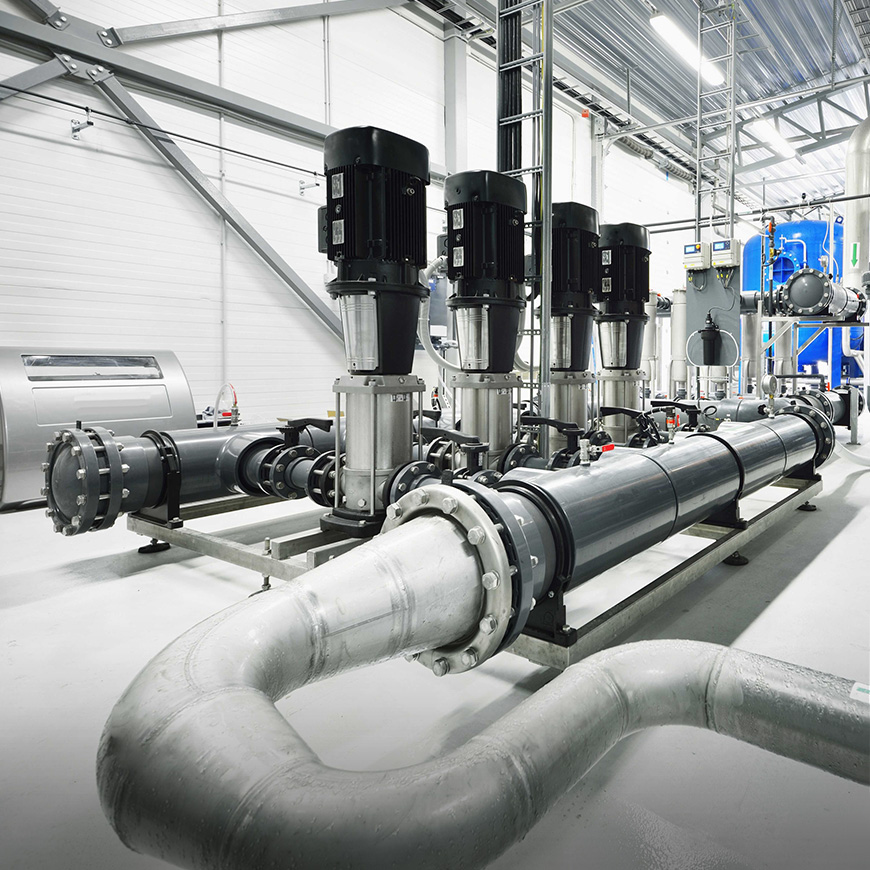
Both PVC and metal pipes bring unique advantages to the table. PVC piping is celebrated for its lightweight nature and exceptional resistance to corrosion. This makes it particularly effective in environments exposed to moisture or chemicals. Furthermore, PVC pipes can handle high pressure, making them suitable for applications such as water supply systems and irrigation.
In contrast, metal pipes, including options like steel and copper, are known for their durability and strength. They are capable of withstanding extreme temperatures and pressures, which makes them ideal for industrial applications. However, they are more prone to rust and corrosion, which can impact their functionality over time.
Maintenance is a vital factor to consider when selecting piping materials. PVC pipes are generally low-maintenance. Their resistance to corrosion means that they require less frequent repairs or replacements. Regular inspections are recommended to ensure they remain in optimal condition, but overall, they are easy to care for.
Metal pipes, on the other hand, require more attention. They need periodic inspections to check for rust or corrosion, especially in humid conditions. Any leaks that arise must be addressed promptly to prevent water damage. This added maintenance requirement can influence our choice, especially if we are looking for a hassle-free solution.
Cost is another important aspect when comparing PVC piping and metal pipes. Generally, PVC is more affordable. The material itself is less expensive, and its ease of installation can help to lower labor costs. This makes PVC an appealing option for residential projects or smaller-scale applications where budget constraints are a consideration.
Metal pipes typically come with a higher price point. The initial investment is significant, and the complexity of installation can drive up labor costs. However, for large-scale industrial projects where durability and longevity are crucial, this higher upfront cost may be warranted.
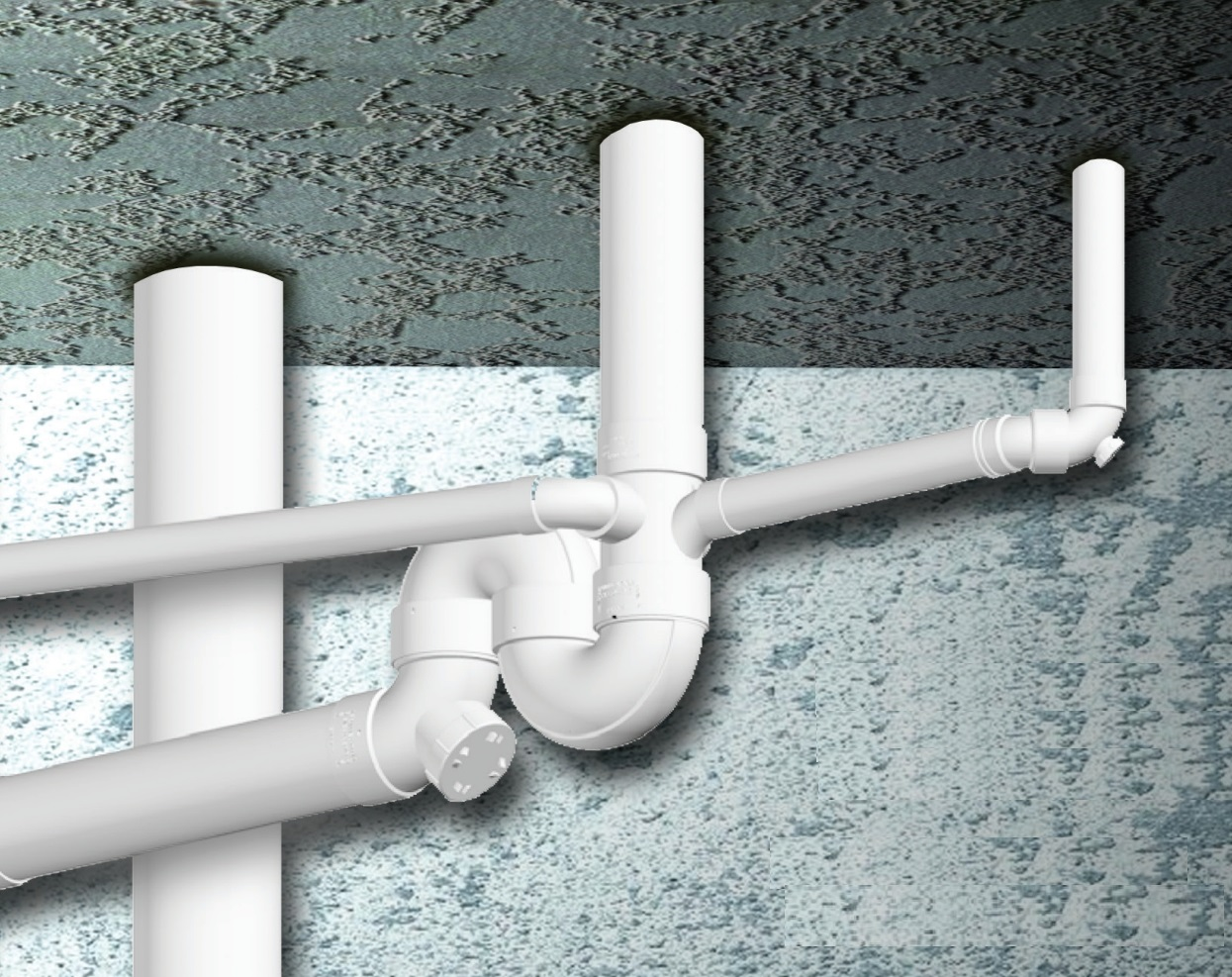
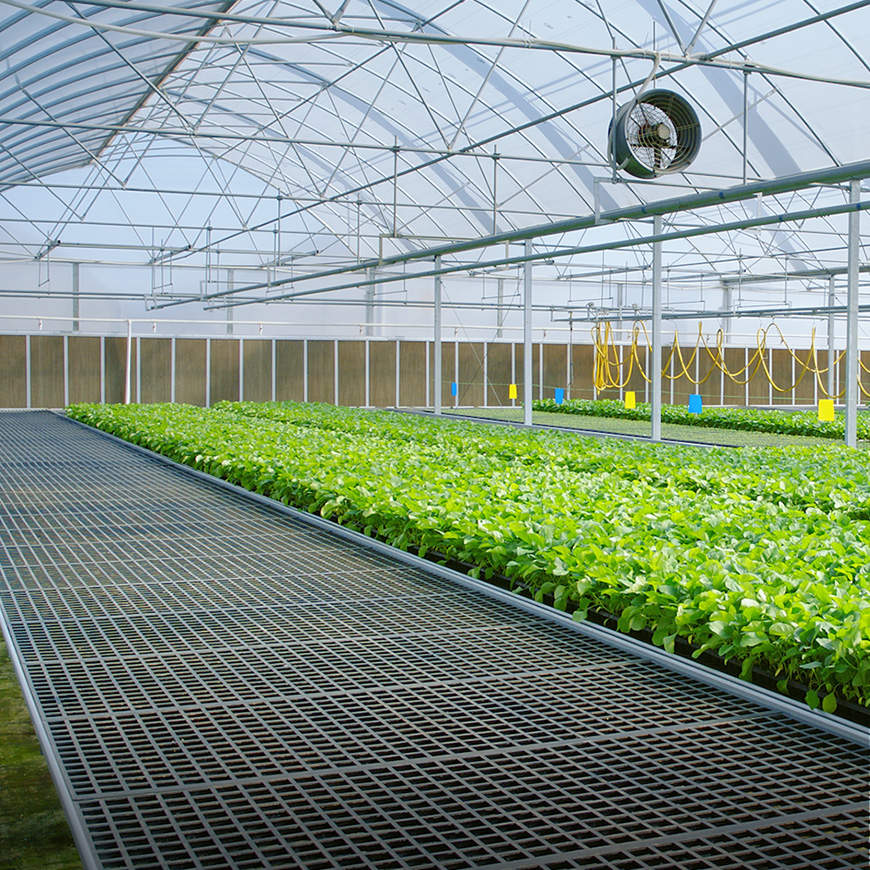
Understanding the best applications for each type of piping can help us make an informed decision. PVC piping is commonly used in residential plumbing, irrigation systems, and drainage applications. Its lightweight and straightforward installation make it a popular choice for DIY projects and smaller renovations.
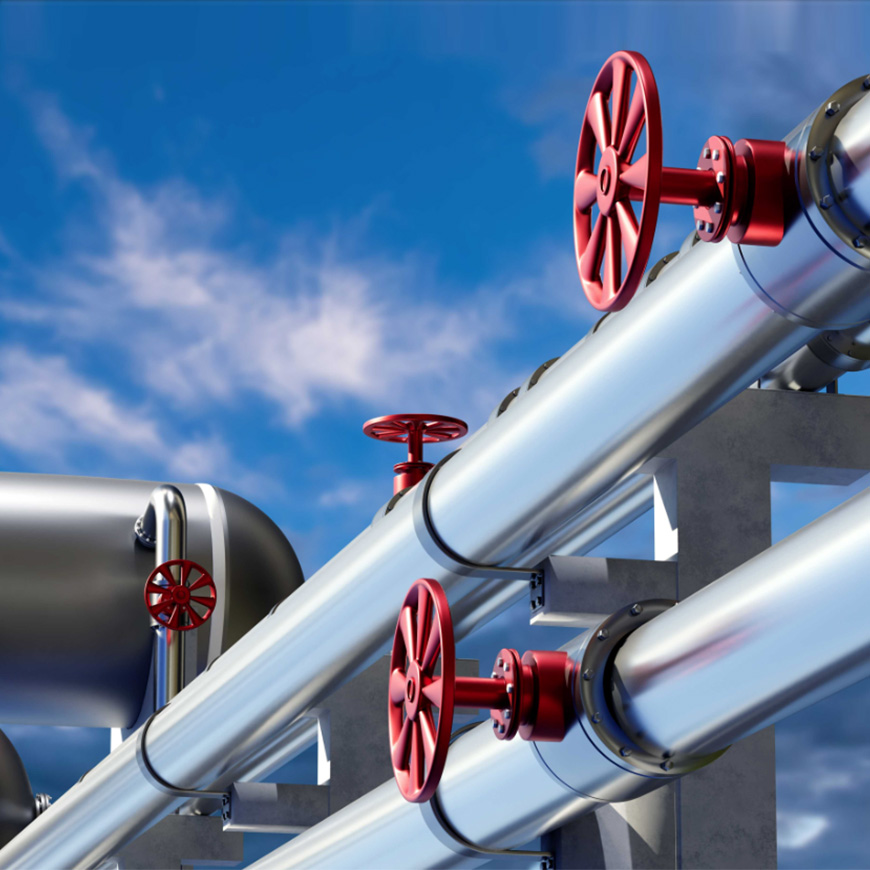
Metal pipes are often employed in more demanding settings. They are typically utilized in commercial and industrial applications, such as factories and oil refineries, where high pressures and temperatures are commonplace. Additionally, metal pipes are frequently preferred for gas lines due to their strength and reliability.
In conclusion, the decision between PVC piping and metal pipes depends on the specific needs of our project. PVC piping offers a cost-effective and low-maintenance solution ideal for various applications, particularly in residential settings. Metal pipes provide the strength and durability necessary for industrial applications where performance is key.
By carefully considering factors such as performance, maintenance, cost, and application scenarios, we can make a well-informed decision. With the commitment of LESSO Malaysia to high-quality PVC solutions, we can confidently choose the right piping material that meets our project requirements.
Copyright © 2026 Lesso Malaysia Industries Sdn Bhd ICP No.13023480